Showing posts with label medical device companies. Show all posts

Sunday, March 12, 2023

All you need to know about Hindfoot Fusion Nail

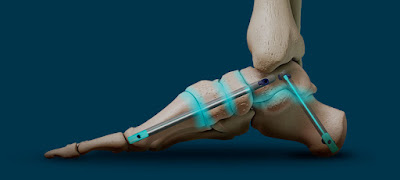
Hindfoot Fusion Nail

Are you tired of dealing with persistent foot pain and discomfort? Have you tried a number of treatments without success? It may be time to explore hindfoot fusion surgery, and the hindfoot fusion nail may be just what you need to obtain some relief. We'll go over all you need to know about the hindfoot fusion nail and how it can help with foot problems in this article.

What exactly is a Hindfoot Fusion Nail?

The hindfoot fusion nail is a medical device used to support the ankle and foot bones during hindfoot fusion surgery. It is a titanium rod that is put into the bones of the hindfoot and aids in the fusion of the bones, resulting in a more stable and pain-free foot. This type of surgery is often indicated for persons who have discomfort and instability in their feet and ankles due to disorders such as arthritis, fractures or other foot and ankle problems.

What is the Hindfoot Fusion Nail?

The hindfoot fusion nail is introduced into the bones of the hindfoot via small incisions during hindfoot fusion surgery. The nail is positioned in such a way that it aids in bone stabilization and fusion. The procedure is normally conducted under general anesthesia and lasts 1 to 2 hours.

You will need to keep your foot immobilized for several weeks following surgery to allow the bones to mend and fuse together. Physical therapy and other rehabilitation treatments will be prescribed by your doctor to help you regain foot strength and mobility. You may also need to wear a special boot or cast to keep your foot in place while it heals.

The Advantages of the Hindfoot Fusion Nail

The hindfoot fusion nail has a number of advantages over other types of foot and ankle surgery. These advantages include:

Increased stability: The hindfoot fusion nail aids in the stabilization of the bones of the hindfoot, reducing pain and discomfort while enhancing overall foot stability.

Pain relief: Many people report a considerable improvement in foot pain and discomfort following surgery.

Improved mobility: As the bones of the hindfoot fuse together, you may enjoy increased movement and be able to do previously painful or difficult activities.

Faster recovery: When compared to other types of foot and ankle surgery, hindfoot fusion surgery with the hindfoot fusion nail often has a faster recovery time.

Scarring is minimized as a result of the small incisions made during the treatment, making it a less intrusive choice for patients seeking foot and ankle surgery.

Conclusion

The hindfoot fusion nail is a highly successful and efficient approach to relieve foot discomfort and instability caused by arthritis, fractures and other foot and ankle disorders. If you're weary of living with foot pain and suffering, discuss the hindfoot fusion nail with your doctor to see if it's the correct solution for you. You can regain your foot stability and live a pain-free, active lifestyle with the proper care and attention. To know more, visit https://www.djoglobal.com/.

Friday, May 20, 2022

Who Needs Hindfoot Fusion and What to Expect?

Intramedullary Nail Fixation

There are numerous joints and bones in your hindfoot. If you have pain and stiffness in the area, there could be a number of possible causes including:

  • Rheumatoid arthritis
  • Osteoarthritis
  • Broken bones
  • Deformity or change in foot shape

Your doctor may try a number of conventional treatment methods to avoid surgery. However, if they do not work, your doctor may recommend hindfoot fusion.

What Happens During Hindfoot Fusion?

A surgeon performs hindfoot fusion or intramedullary nail fixation surgery under general anesthetic. During the procedure, the doctor makes two or more incisions to access the impacted area. After cleaning the area, the surgeon joins the joints together with screws.

This procedure allows the joints to fuse, alleviating pain caused by joints rubbing together. Typically, the doctor closes the incisions with staples or stitches, and the foot is encased in a cast to facilitate healing.

DJO®’s DynaNail® intramedullary nail fixation system is a next generation nail fixation solution that maintains compression with up to 6 millimeters of bone settling or resorption. Thanks to the elastic properties of this intramedullary nail, surgeons can apply up to 6 millimeters of compression during the procedure.

What Happens After Hindfoot Fusion Surgery?

You'll receive pain medication during the healing process, and the fusion limits foot movement. For example, you won't be able to twist your foot or move it from side to side. Approximately 12 weeks after surgery, if the foot has healed well, you can begin to put some weight on the foot. Depending on the recommendations of your surgeon, you may go through physiotherapy once your doctor advises you to stand up and begin moving around again.

It may take some time to adjust to crutches or a walker, but it's crucial to minimize the weight you place on the foot in the first weeks of recovery. You may need to return to the hospital or clinic to have the staples or stitches removed or to change your cast.

Possible Complications

Possible complications of surgery include:

  • Bleeding
  • Infection
  • Swelling
  • Blood clots 

There are also specific complications that sometimes arise following hindfoot fusion, including the following:

  • Poor union of the bones
  • Misalignment of the fused bones
  • Nerve damage
  • Continued pain
  • Screw irritation (necessitating removal)

DJO offers innovative devices that help salvage limbs and save lives. Do you have questions about DJO’s intramedullary nail or other foot products? Contact us today for more information.

Tuesday, April 26, 2022

Do I Have Diabetic Charcot Foot?

diabetic charcot foot

If you have diabetes, you already know the complications it can cause for foot health. If you notice that your foot feels warm to the touch, or looks red and swollen, it could signal that you have this condition. However, the same symptoms apply to numerous other foot injuries.

Learn how to spot the symptoms of diabetic Charcot foot, also called Charcot arthropathy. Additionally, we’ll discuss the causes and treatment options, including the DynaNail TTC Fusion System® by DJO®.

Causes of Charcot Foot

So, besides diabetes, what else causes Charcot foot? This condition affects those who can't feel due to nerve damage in their feet. Although there is no singular cause, the following conditions may trigger diabetic Charcot arthropathy:

  • Infection
  • Alcohol or drug abuse
  • Undetected sprain or break
  • Organ rejection
  • Spinal cord disease
  • Parkinson’s disease
  • Syphilis
  • HIV

Symptoms of Charcot Arthropathy

As the condition progresses, your bones weaken and may shift or break. As a result, the symptoms of more advanced Charcot arthropathy include:

  • Loss of foot shape. The arch of your foot falls until the bones are lower than your toes or heels, a condition known as “rocker bottom” foot.
  • Curled toes
  • Twisted, unsteady ankle
  • Bones press on shoes, causing wounds and infections 

Although diabetes isn't the only cause of Charcot arthropathy, diabetics often have poor blood flow. That makes it difficult for the foot to heal and often results in amputation.

Treatment for Diabetic Charcot Foot

If you have early stage Charcot arthropathy, your doctor may prescribe a cast or boot to keep the bones in place and to promote healing. Nonsurgical treatment may also include special shoes to promote healing and protect the bones.

Unfortunately, diabetics and some others who develop this condition have nerve damage (neuropathy) that prevents them from feeling sprains, fractures, and breaks. This may lead to more damage, calling for stronger treatment methods.

The surgical approach will depend on the nature of the deformity, as follows:

  • Mild deformity with tight tendons at the heel. Surgery to lengthen the Achilles tendon can relieve pressure on the heel at midfoot. This promotes the healing of ulcers.
  • Protrusions on the bottom of the feet. This is more severe than a mild deformity. The type of surgery depends on the stability of your foot:

o   For a stable deformity, the surgeon can shave off the protruding bone.

o   For an unstable deformity, the surgeon may need to fuse and reposition the bones to promote healing.

DJO’s DynaNail Treatment Saves Limbs

DJO has developed the DynaNail treatment system to save limbs and save lives. Whether you are a surgeon who treats diabetic Charcot foot or someone who lives with the condition, you need to know about this effective surgical option.

DJO’s motto is “get and keep people moving.” If you have diabetic Charcot foot or treat patients who do, we want to help. Let us know if you have questions about how our foot products can help heal Charcot arthropathy. Contact us today for more information.

Understanding the DYNANAIL® TTC Fusion Nail and its Importance in Orthopedic Surgery

DYNANAIL® TTC Fusion Nail Subtalar Fusion with Miniaturized Precision The DynaNail Mini® Fusion System is a game-changing development in o...